U.S. Soccer Roadmaps
Player development in the United States continues to evolve, and U.S. Soccer has created clear roadmaps to guide how players, coaches, and environments grow together. These roadmaps are not just theoretical frameworks — they are practical tools that help coaches deliver better training, support long-term athlete development, and align with national standards.
Whether you coach grassroots players or elite youth athletes, understanding the U.S. Soccer Roadmaps can help you create more effective learning environments and support player success at every stage.
What Are the U.S. Soccer Roadmaps?
U.S. Soccer Roadmaps are structured development pathways that outline how players and coaches progress over time. They provide guidance on:
- How players learn and develop
- How coaches are educated and licensed
- How training environments should be structured
- How talent is identified and supported
- How clubs and organizations align with national standards
These roadmaps ensure consistency across the country while still allowing flexibility for individual player needs and local environments.
At their core, they promote long-term development over short-term results.
The Player Development Roadmap
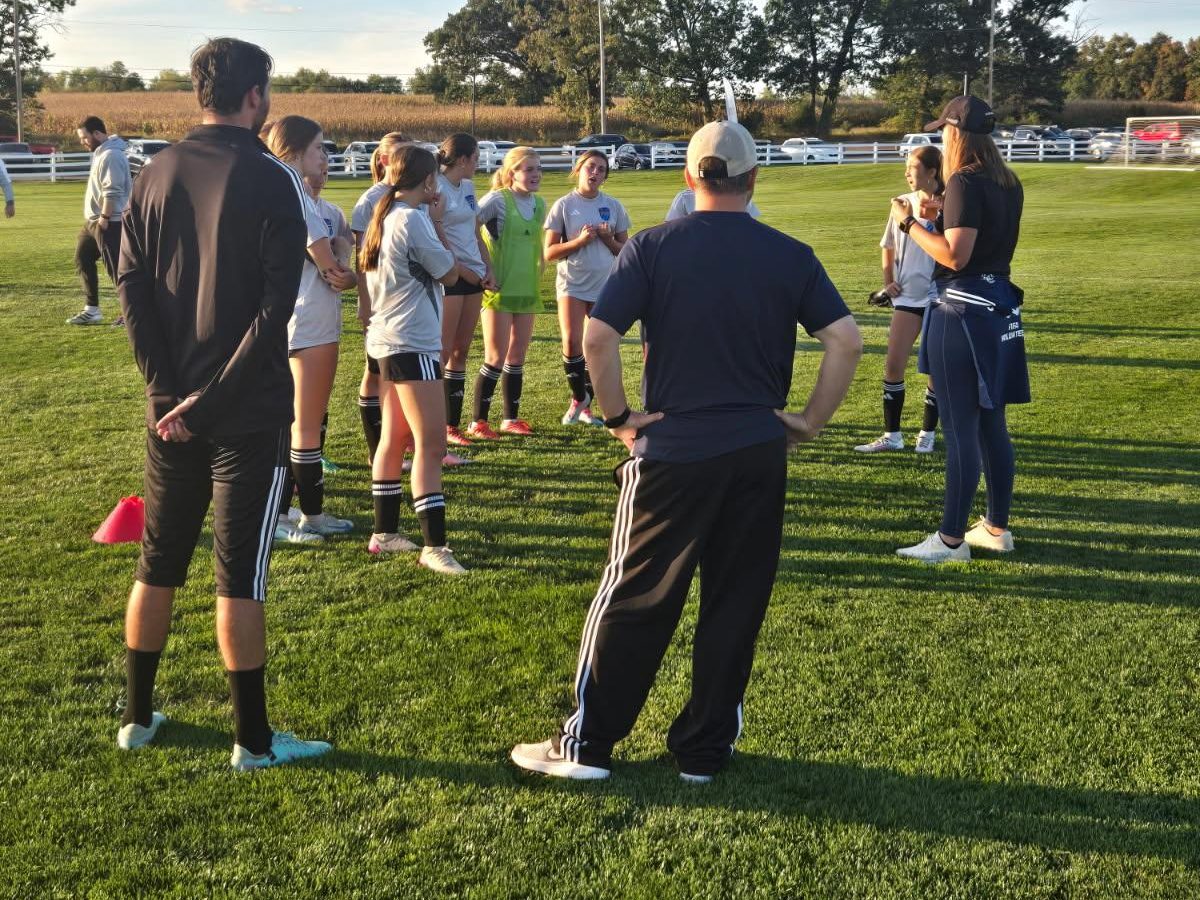
The U.S. Soccer Player Development Framework focuses on the holistic growth of each athlete. Development is not just technical — it includes tactical understanding, physical growth, psychological development, and social well-being.
Key Principles for Coaches
1. Age-Appropriate Learning
Training should match how players learn at different stages:
- Early ages focus on fun, creativity, and ball mastery
- Middle stages build game understanding and decision-making
- Older players refine performance and competitive readiness
2. Long-Term Development
Winning today is not the primary goal — preparing players for future performance is. Coaches should prioritize:
- Skill development
- Game intelligence
- Love for the sport
- Confidence and independence
3. The Game as the Teacher
Training sessions should include realistic game situations. Players learn best when solving problems, making decisions, and experiencing the game environment.
4. Individualized Development
Every player develops differently. Coaches should recognize biological and emotional differences — especially during adolescence — and adjust expectations accordingly.
The Coaching Education Pathway
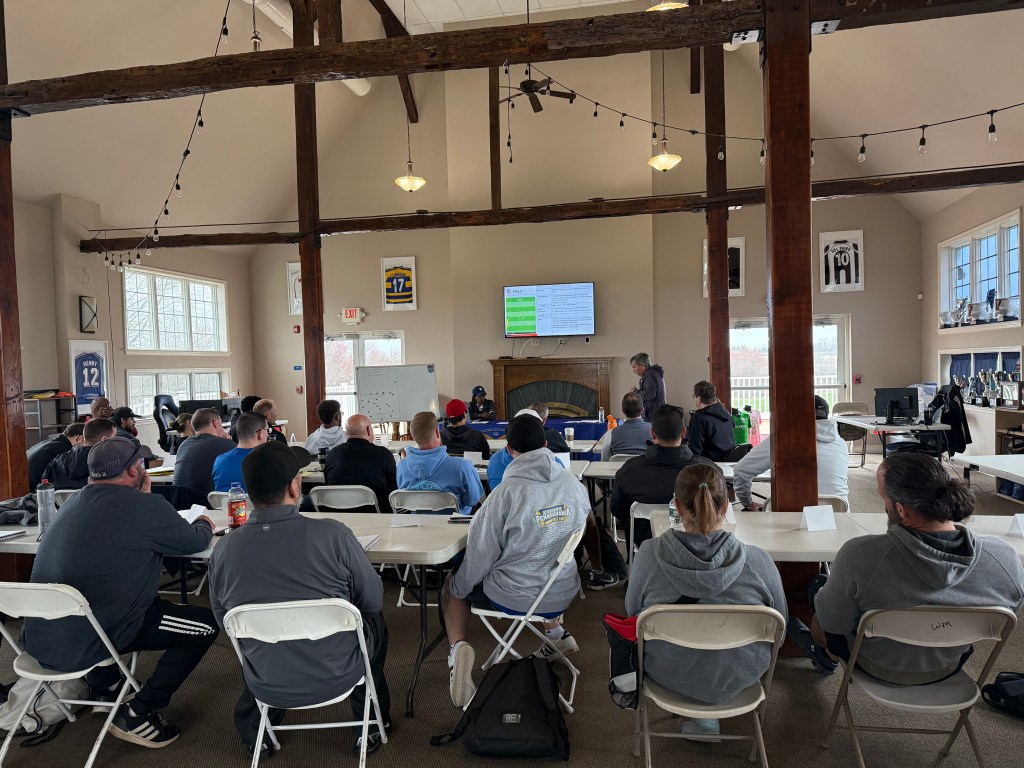
U.S. Soccer provides a clear coaching education ladder designed to support learning at every level.
Coaching License Progression
While specific entry points may vary, the pathway typically includes:
- Grassroots Licenses (4v4, 7v7, 9v9, 11v11)
- D License
- C License
- B License
- A Youth / A Senior Licenses
- Pro License
Each step builds knowledge in:
- Player development methodology
- Session design and structure
- Game analysis
- Leadership and communication
- Learning environment design
The emphasis is not just on what to coach, but how players learn.
What This Means for Coaches
The roadmap encourages coaches to be:
- Facilitators of learning
- Observers of player behavior
- Designers of game-based training
- Lifelong learners
Coaching education is continuous — not a one-time certification.
Talent Identification and Development
Another important element of the U.S. Soccer Roadmaps is identifying and supporting players with potential while maintaining broad access to the game.
Key ideas include:
- Talent is developed, not just discovered
- Opportunity must remain open and flexible
- Late developers should not be excluded
- Environment matters as much as ability
Coaches play a critical role by creating environments where players can express creativity, take risks, and grow over time.
Training Environment Standards
U.S. Soccer emphasizes that development is shaped by the environment coaches create.
Effective environments are:
- Safe and player-centered
- Inclusive and respectful
- Challenging but supportive
- Focused on learning, not fear of mistakes
Players improve most when they feel confident to experiment, fail, and try again.
Why the Roadmaps Matter for Everyday Coaching
Understanding the U.S. Soccer Roadmaps helps coaches:
- Design purposeful training sessions
- Focus on development instead of short-term outcomes
- Support players through growth and maturation
- Align with national coaching standards
- Create better learning environments
- Contribute to the overall growth of the game in the U.S.
When coaches apply these principles consistently, players experience better development — technically, tactically, and personally.
Practical Ways Coaches Can Apply the Roadmaps
- Plan sessions around game problems, not drills alone
- Adjust expectations based on player development stage
- Encourage decision-making and creativity
- Reflect on sessions and player progress regularly
- Continue coaching education and professional growth
- Communicate development goals with parents and players
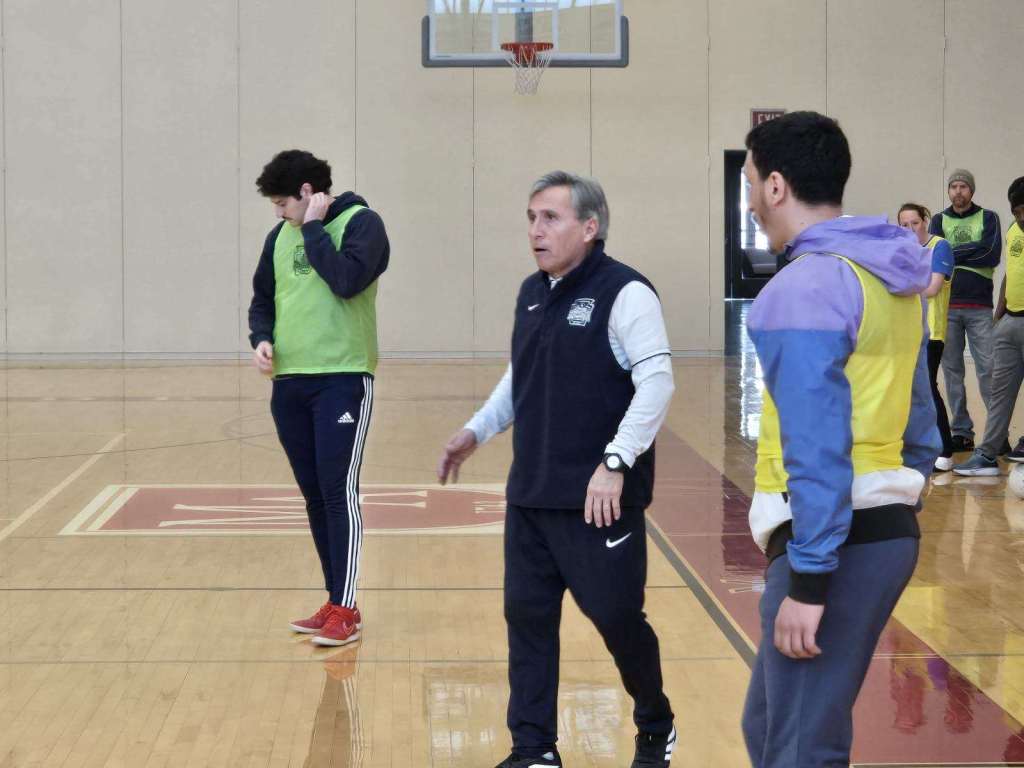
The U.S. Soccer Roadmaps provide a shared vision for how soccer should be taught, learned, and experienced across the country. They are not rigid rules, but guiding principles that help coaches make informed decisions about training, development, and leadership.
Great coaching is not just about teaching the game — it is about developing people who love the game and can thrive within it.
By embracing the U.S. Soccer Roadmaps, coaches become part of a national commitment to smarter development, better environments, and stronger players for the future of soccer in the United States.